The beginning
When I joined māhita in January 2025, I thought I was joining a small startup that had an idea and needed developers.
I was wrong.
The company was founded by a group of experienced engineers who wanted to do something meaningful for education. One of them, Jagan sir, was working in Canada but wanted to contribute back to his hometown in Srikakulam, Andhra Pradesh.
The original vision was simple: build technology that helps schools. Create opportunities for local students. Give fresh graduates real-world experience. Build products that make an impact.
That vision is what eventually led to Vinodam.
The first mistake we made
Like many engineering teams, we fell in love with building.
We started working on educational products, school ERP systems, WebRTC solutions, and various ideas that we believed schools would need.
The problem? We weren't talking to schools.
We were building based on assumptions.
For months we focused on creating features, designing screens, and implementing workflows. We were proud of what we built, but slowly a difficult question started appearing in our minds:
That question became impossible to ignore.
The turning point
The turning point came through my friend Saitaran.
Unlike us, he spent time talking to schools. He visited institutions, met principals, understood existing software systems, and collected feedback from real users.
For the first time, we were hearing what schools actually wanted instead of guessing.
Soon after, we got our first school customer. That changed everything.
We finally had real users. Real feedback. Real problems.
And eventually, a challenge that would become Vinodam.
A principal's challenge
While meeting another school, we expected to pitch our school management software.
Instead, the principal gave us a challenge.
He wanted an interactive quiz platform that could engage students during school events. Something similar to television quiz shows. Something that could create excitement. Something students would remember.
He had a projector. He had students. He had teachers.
What he needed was the software.
We had only a few weeks.
Building in secret
While the team was discussing various approaches, I couldn't stop thinking about the challenge.
So I started building. Every day. Sometimes 8 hours. Sometimes 12. Sometimes more.
At first, I wasn't trying to build a product. I just wanted to prove the idea could work. I assumed it would eventually be replaced by a more polished version.
But day after day, the prototype kept growing. Questions. Rounds. Scoring. Timers. Animations. Real-time synchronization. Admin controls.
Everything slowly started coming together.
The first real-time system I built
The application wasn't a simple quiz app. It was three synchronized experiences.
The admin screen — the control center. Create events, configure rounds, add questions, control timers, monitor participants, manage scoring.
The projector screen — the public experience. Questions, timers, animations, leaderboards, results. Everything visible to the audience.
The participant screen — the student experience. Join with an event code, submit answers, see results, feel the haptic feedback. All in real time.
All three screens had to stay synchronized throughout the event.
Constant fear
Even after building most of the system, I had very little confidence.
Not because the application wasn't working. Because I knew production was different.
Local testing is easy. Real users are not.
Every bug I found during testing made me think: if this happens during the actual event, everything falls apart.
Scoring errors. Synchronization issues. Timer mismatches. Connection problems.
I expected something to fail. The only question was what.
The team steps in
When the application reached roughly 70% completion, I presented it to the team.
Their reaction surprised me.
Instead of replacing it, they decided to continue with it. The prototype became the product. The team started refining it — security, architecture, reliability.
What started as an experiment became an official company project.
That was one of the proudest moments of my career.
Demo day
We demonstrated the platform to the principal and teachers. They gathered in front of the projector screen and participated in a trial session.
The feedback was overwhelmingly positive. They suggested improvements. They pointed out small issues. But they immediately saw the potential.
The principal wanted to move forward.
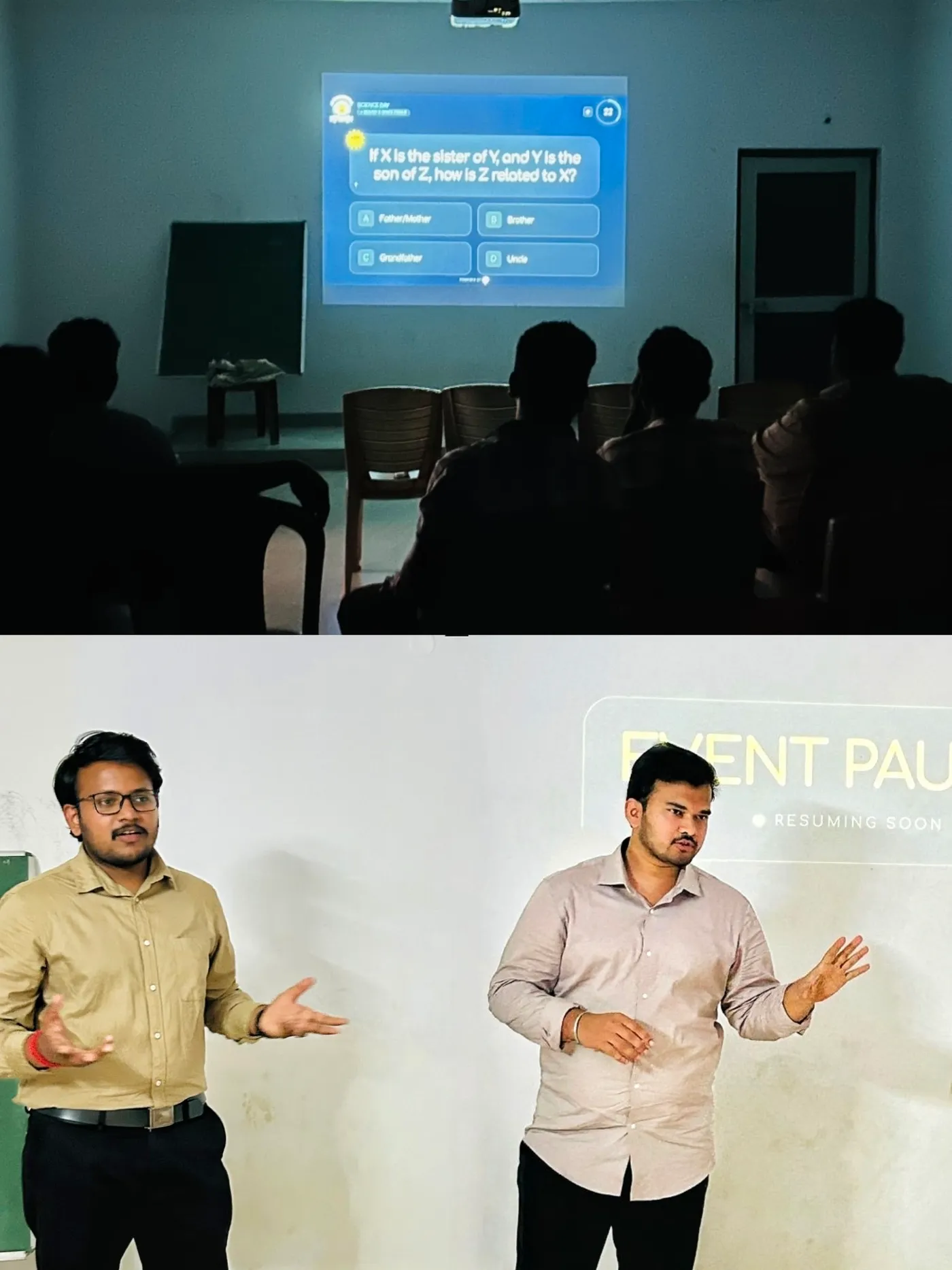
demo day — Vinodam live on the projector, teachers in the seats
Now we had only one thing left. The real event.
Event day
The event was organized as part of a large parent gathering. The principal wanted to use it to engage students, excite parents, promote the school, and introduce future digital initiatives.
Everything depended on that evening.
I wasn't thinking about business. I was thinking about bugs.
I was sitting there waiting for something to break. Anything. Everything.
300 participants
Around 300 students participated, divided into teams. Each team joined using a unique event code.
The projector displayed questions. Phones displayed answers. Scores updated in real time. Leaderboards changed live. Rounds progressed smoothly.
And somehow... nothing broke.
No scoring failures. No synchronization issues. No major complaints.
The system simply worked.
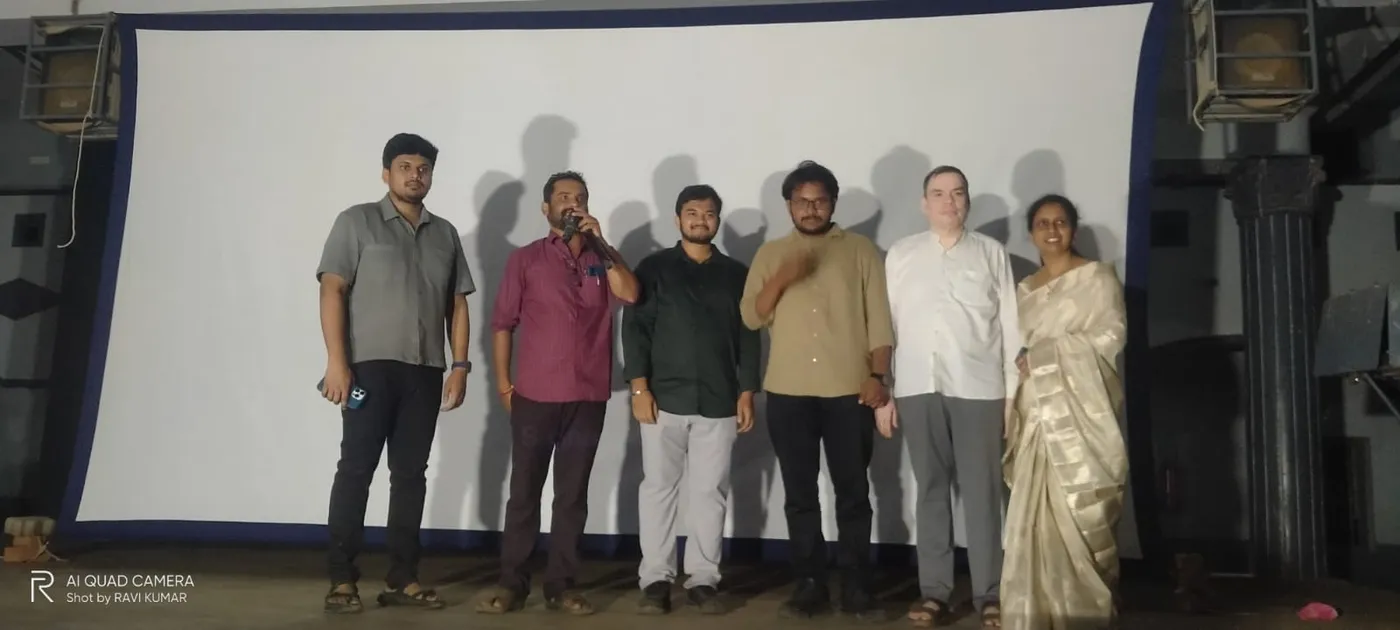
on stage, event day
The moment I'll never forget
What I remember most isn't the software. It's the reaction.
Students cheering after correct answers. Teams celebrating. Parents watching. Teachers smiling.
The entire room became engaged. For hours.
The principal got exactly what he wanted. An experience. Not just software. An experience.
The result
The event was a success. The principal was impressed. The management was impressed. The parents were engaged. The students loved it.
And most importantly: the school wanted to move forward with us.
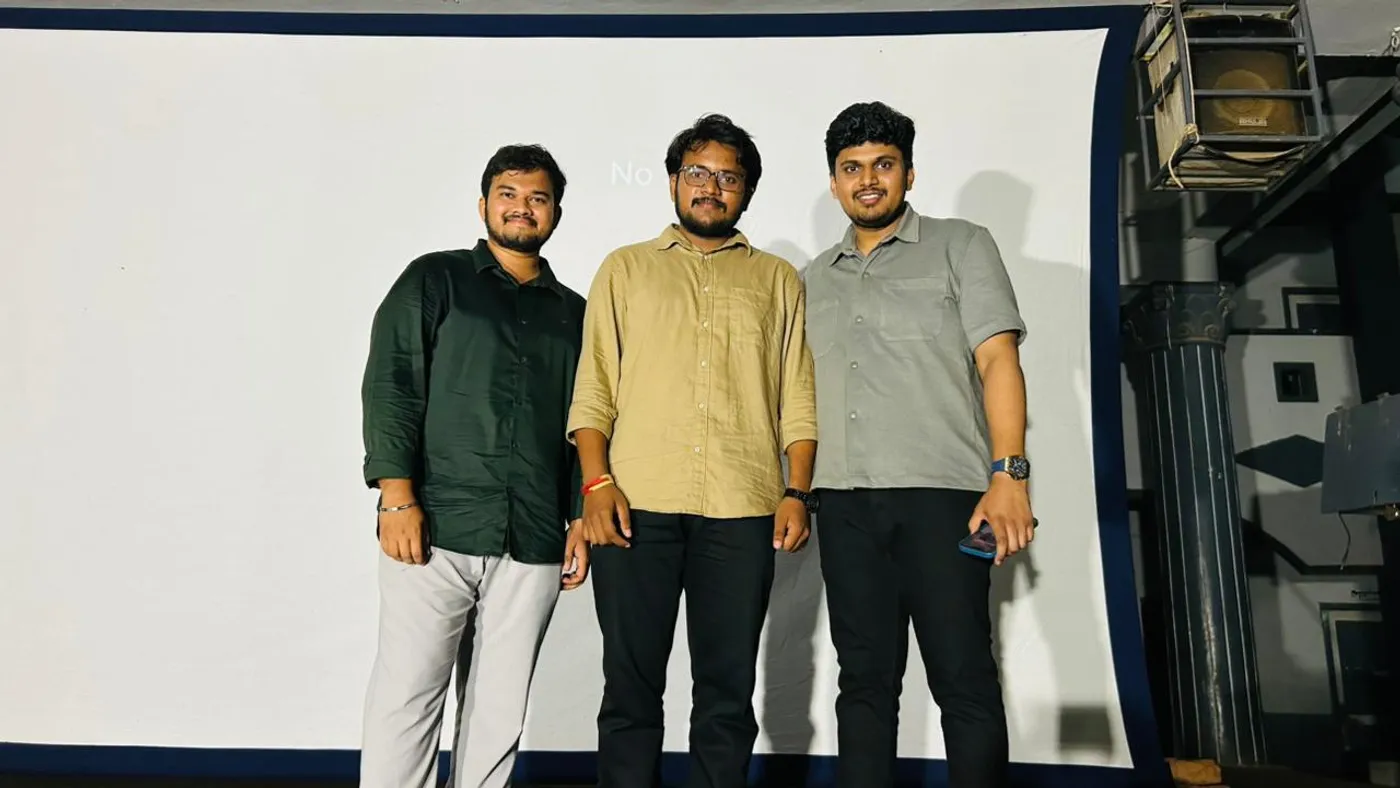
with the school chairman's son, end of event day
What started as a challenge became one of the most memorable projects I've ever worked on.
What Vinodam taught me
Building is not enough. A product only matters when it solves a real problem.
Customers reveal opportunities. The idea didn't come from us. It came from listening.
Shipping creates clarity. The fastest way to learn is to put something in front of users.
Ownership matters. The project moved forward because someone decided to start before everything was perfect.
Real users are different. The real test of software is not local development. It's production.
Looking back
When I started building Vinodam, I thought I was creating a quiz application.
Looking back, I wasn't. I was learning how products are born.
A customer challenge. A deadline. A team willing to trust an unfinished idea. Hundreds of users. One live event.
And a product that proved itself when it mattered most.
That journey changed how I think about software forever.
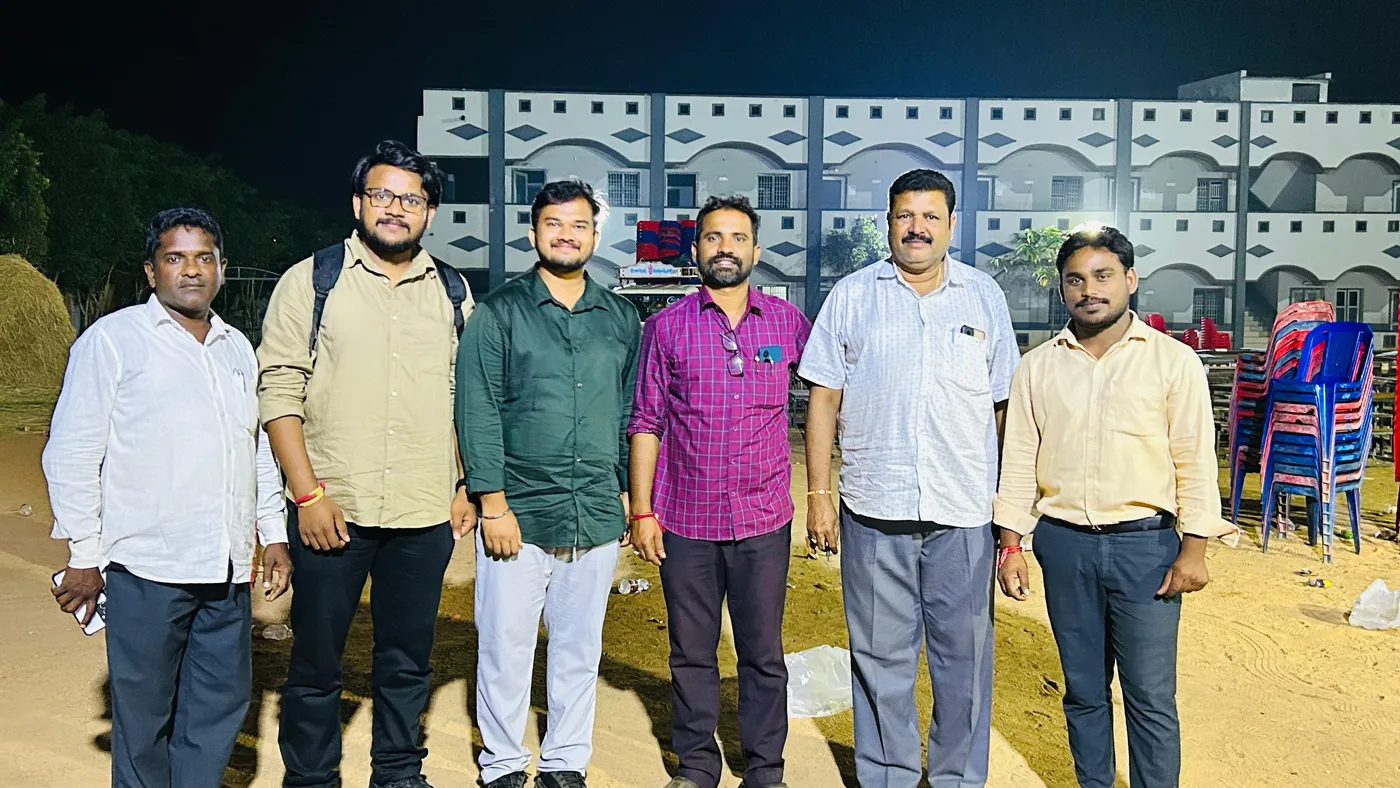
the night it all worked
the app → Vinodam
#buildinpublic #startup #maahitatechnologies #shipping